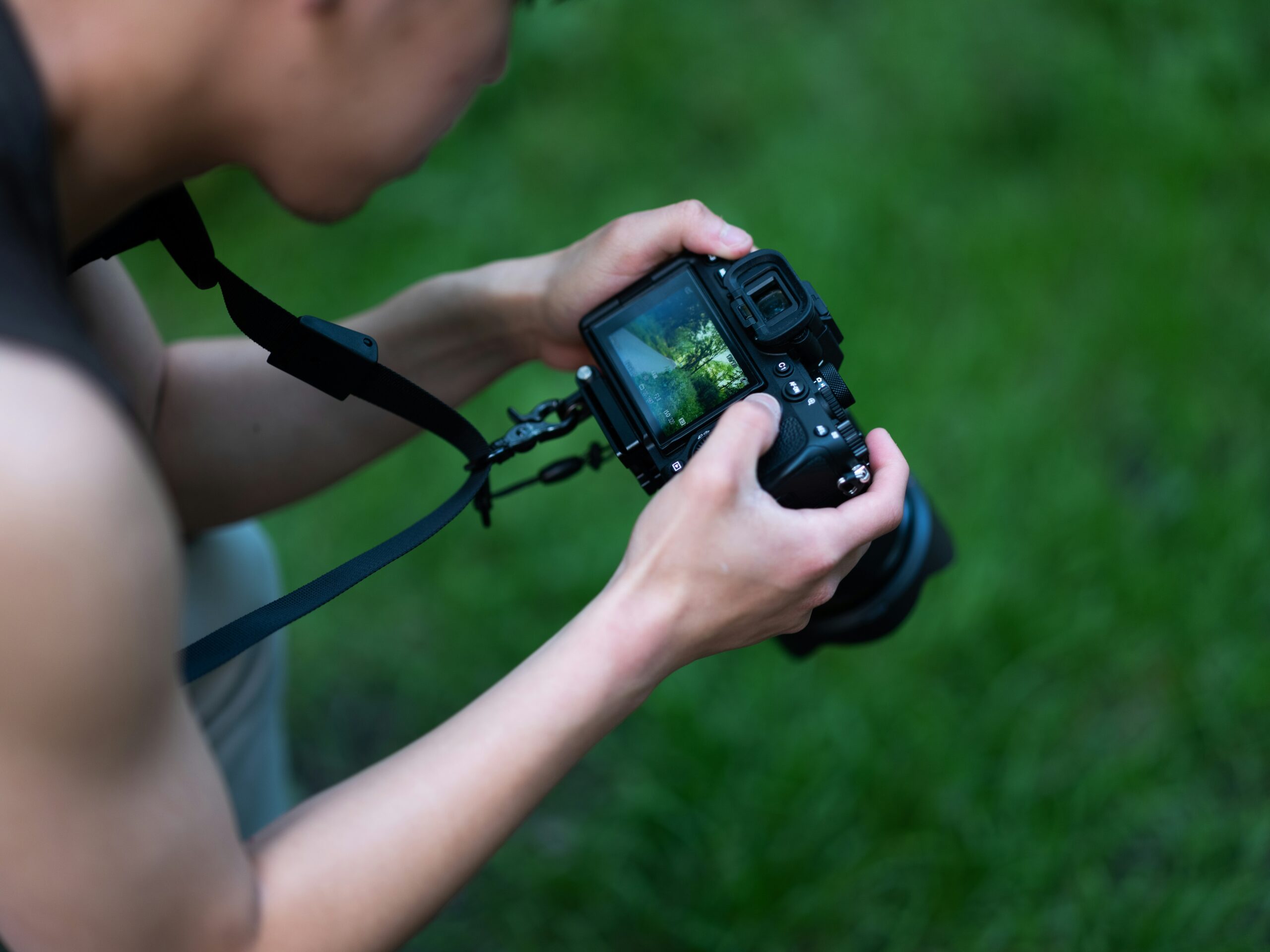
Photography stands as a powerful way to hold time still. It allows people to preserve emotion, place, and memory in a single frame. While life moves fast, photography slows moments down. Because of this, many people turn to photography not only as a craft but also as a way to understand the world. Moreover, photography instantly connects stories with viewers. A single image can spark joy, sadness, or hope without a single spoken word.
However, photography involves more than pressing a button. It requires intention, patience, and vision. Therefore, a photographer learns to see light, emotion, and timing together. As a result, each photograph becomes a deliberate expression rather than a random capture. Photography matters because it gives moments a lasting voice.
Why Moments Matter in Photography
Moments shape memories. In photography, moments hold emotional weight. A laugh shared between friends, a quiet sunrise, or a fleeting glance can disappear quickly. Yet photography preserves these moments forever. As a result, photographers learn to anticipate emotion and action. Meanwhile, they train their eyes to notice details others might miss.
Moreover, meaningful photography often comes from authenticity. When a photographer stays present, the camera becomes an extension of awareness. Therefore, the image reflects truth rather than performance. Photography that focuses on real moments feels honest, relatable, and timeless. Consequently, viewers connect more deeply with images that feel genuine.
Understanding Light and Emotion
Light forms the foundation of photography. Without light, no image exists. Still, light does more than illuminate a subject. It shapes mood, texture, and emotion. Soft light often feels calm and gentle. On the other hand, harsh light can create drama and tension. Because of this, photographers study light carefully.
At the same time, emotion guides how light is used. For example, warm light often supports feelings of comfort or nostalgia. Meanwhile, cool light can suggest distance or reflection. Therefore, photography becomes a balance between technical awareness and emotional intent. When light and emotion work together, the image speaks clearly and powerfully.
Composition as Visual Storytelling
Composition directs the viewer’s eye. In photography, composition helps tell the story within the frame. A strong composition feels natural and effortless. However, it comes from practice and observation. By paying attention to balance, spacing, and movement, photographers guide attention with purpose.
Furthermore, composition supports clarity. When unnecessary elements distract the viewer, the message weakens. Therefore, thoughtful framing strengthens photography. As a result, the subject becomes more important, and the story becomes easier to read. Photography with precise composition invites viewers to linger and explore meaning.
The Role of Patience and Presence
Photography rewards patience. Great moments rarely appear on command. Instead, they unfold naturally over time. Because of this, photographers learn to wait, observe, and remain present. Meanwhile, patience builds awareness. It allows photographers to notice subtle changes in light, expression, and movement.
Presence also creates trust. When people feel comfortable, authentic moments appear. Therefore, photographers who stay calm and respectful capture more honest images. Photography becomes less about control and more about connection. As a result, the final image reflects shared experience rather than forced direction.
Developing a Personal Photography Style
Every photographer sees the world differently. Style grows from preferences, experiences, and emotion. While technical skills matter, style gives photography identity. Therefore, photographers explore different subjects, lighting, and perspectives. Over time, patterns emerge.
Moreover, personal style develops through consistency. By practicing regularly, photographers refine their voice. Meanwhile, reflection helps identify what feels meaningful. Photography becomes a visual signature that others recognize. Consequently, style turns images into personal stories rather than generic scenes.
Photography as a Tool for Storytelling
Storytelling sits at the heart of photography. Each image has a beginning, a middle, and an emotional point. Even simple scenes can suggest deeper narratives. Because of this, photographers think beyond appearance. They consider context, emotion, and implication.
Additionally, storytelling strengthens viewer engagement. When an image hints at a story, curiosity grows. Therefore, photography invites viewers to imagine, feel, and reflect. As a result, the image becomes more than decoration. It becomes a shared moment between creator and audience.
Learning Through Practice and Reflection
Growth in photography comes from practice. Each session offers lessons. Mistakes reveal areas to improve. Meanwhile, reflection turns experience into knowledge. By reviewing images, photographers see what worked and what did not.
Furthermore, learning never ends. Photography evolves with technology, trends, and personal growth. Therefore, curiosity remains essential. When photographers stay open to learning, their work continues to improve. Photography thrives when practice and reflection work together.
The Emotional Impact of Photography
Photography holds emotional power. It preserves joy, grief, love, and wonder. Images often outlast memory. Because of this, photography carries responsibility. Photographers choose how moments get represented.
Moreover, emotional photography builds empathy. When viewers see authentic emotion, they connect across distance and culture. Therefore, photography becomes a universal language. It reminds people of shared humanity. As a result, photography holds the power to inspire understanding and compassion.
Photography in Everyday Life
Photography does not require exotic locations. Every day moments offer beauty and meaning. A quiet morning, a familiar street, or a simple gesture can become powerful images. Therefore, photographers learn to appreciate the ordinary.
Meanwhile, everyday photography sharpens awareness. It trains the eye to notice light, color, and emotion everywhere. As a result, photography becomes part of daily life rather than a special event. This mindset keeps creativity active and accessible.
Preserving Memories Through Photography
Photography preserves personal history. Family images, travel scenes, and daily moments form visual memory. Over time, these images gain meaning. They remind people of who they were and where they have been.
Because of this, photography becomes a gift for the future. It allows stories to be passed down through generations. Moreover, photographs hold emotional truth that words often miss. Therefore, photography serves as both record and reflection.
The Lasting Value of Photography
Photography endures because it matters. It captures moments that shape identity and emotion. While technology changes, the purpose remains the same. Photography helps people remember, connect, and express.
Photography blends art and awareness. It teaches patience, observation, and empathy. By focusing on meaningful moments, photographers create images that last. Photography matters because it turns fleeting experiences into lasting stories.