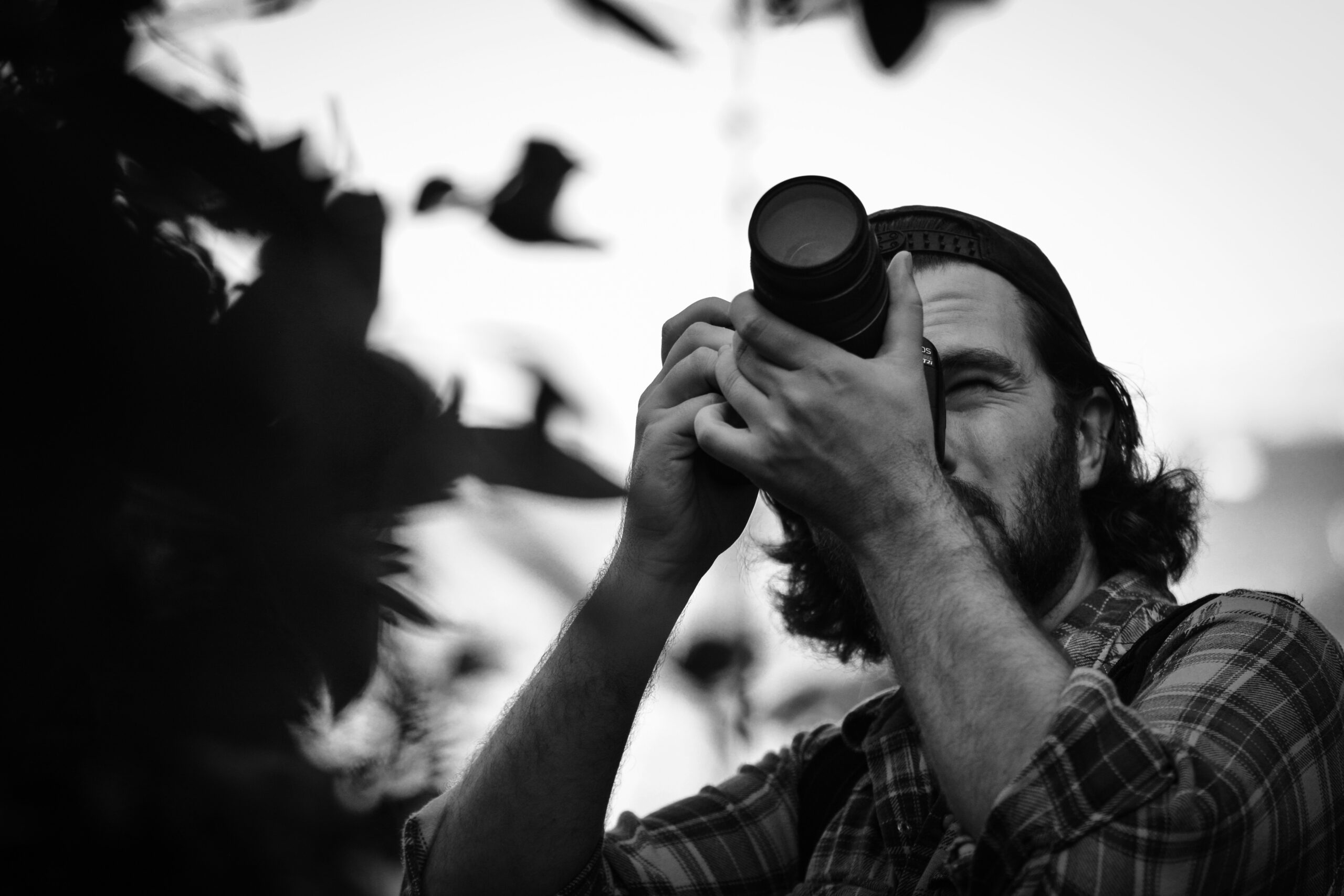
Photography is more than a camera and a subject. It is the art of seeing the world differently. Each image begins with a spark of inspiration, a moment that draws attention. Photographers notice the light, shapes, and emotions that others may overlook. This ability to observe and interpret creates the foundation of every remarkable photograph. Capturing a moment means connecting with it and translating it into a visual story that speaks to anyone who sees it.
The creative process behind photography is a journey. It is not just about pressing a button; it is about understanding the scene, anticipating the right moment, and responding with intention. Photographers develop an eye for subtle details, learning to recognize how light falls, how people interact, and how fleeting expressions can reveal deeper emotions. Every photograph carries a story, and the process of capturing it shapes the final image in ways that go beyond technical skill.
Finding Inspiration Everywhere
Great photography starts with awareness. Inspiration is not limited to exotic locations or elaborate setups. It can come from a quiet street, a simple expression, or the movement of clouds across the sky. Photographers cultivate curiosity and mindfulness to see possibilities in everyday life. Observing without rushing allows ideas to form naturally and opens doors to creative interpretation.
When inspiration strikes, it often triggers a series of decisions about how to capture the moment. Photographers consider angles, lighting, and timing. They imagine how the final photograph will look while remaining open to the scene’s unpredictability. This balance between planning and spontaneity ensures that images feel alive and authentic.
Understanding Light and Mood
Light defines photography. It shapes the atmosphere, emphasizes textures, and draws attention to details. Photographers study natural and artificial light to understand how it affects the perception of a scene. Morning sunlight may offer softness and warmth, while evening light can produce dramatic contrasts and shadows.
The interplay between light and mood is essential for storytelling. Subtle adjustments to exposure, direction, and intensity can completely transform an image. Photographers use light intentionally to evoke emotion, highlight the subject, and create depth. Each variation adds nuance and brings a photograph closer to the creative vision.
The Power of Composition
Composition is the art of arranging elements within the frame. Photographers consider the placement of subjects, the balance of shapes, and the flow of lines. A well-composed image guides the viewer’s eye naturally and communicates meaning without words.
Creative composition is more than rules and techniques. It involves experimentation and intuition. Shifting perspectives, changing distances, or framing an element unexpectedly can transform an ordinary scene into something memorable. Thoughtful composition ensures that every photograph carries purpose and clarity.
Capturing Emotion and Story
The most striking photographs convey emotion. A fleeting smile, a contemplative gaze, or a spontaneous gesture can tell more than words ever could. Photographers focus on these authentic moments, capturing the feelings that give images life.
Storytelling is intertwined with emotion. Photographers observe interactions, anticipate movements, and respond to subtle cues. The goal is to preserve a moment that resonates with viewers, creating a connection that extends beyond the frame. Emotional resonance turns an image into a memory that lingers long after it is seen.
Timing and Patience
Photography is often a test of patience. The perfect moment may appear for just a second, demanding readiness and attention. Photographers anticipate action, study patterns, and wait for the moment when everything aligns.
Patience enhances creativity. Some of the most remarkable images result from long hours of observation and repeated attempts. Photographers learn to embrace waiting as part of the process, understanding that capturing authenticity requires both timing and restraint. The combination of patience and focus ensures that moments are preserved naturally.
Equipment as a Creative Tool
While creativity drives photography, equipment helps realize the vision. Cameras, lenses, and accessories allow photographers to explore different perspectives and techniques. Each tool offers unique capabilities, from capturing vast landscapes to intimate close-ups.
However, skill and imagination remain at the core. Photographers use equipment to support their ideas rather than define them. Understanding camera settings, adapting to conditions, and experimenting with tools enhance creative possibilities. Equipment is a partner in expression, but vision guides the result.
The Role of Post-Processing
Post-processing is an extension of the creative process. Photographers refine colors, adjust lighting, and emphasize textures to enhance the image’s narrative. Editing is not about altering reality, but about amplifying the intended effect and drawing attention to essential details.
Balanced post-processing ensures that photographs retain their authenticity. Subtle adjustments can heighten emotion, improve clarity, and strengthen the visual story. Editing allows the photographer to complete the journey from initial inspiration to a polished image that reflects the original vision.
Developing a Personal Style
A photographer’s style evolves. It emerges from repeated choices in lighting, composition, subject matter, and editing. Style provides recognition and consistency, making a body of work cohesive and distinctive.
Experimentation and reflection help refine style. Photographers learn from successes and failures, discovering approaches that resonate with both themselves and their audience. A strong personal style communicates not only skill, but also perspective, personality, and creative voice, setting their work apart in a crowded visual landscape.
Capturing moments through photography is an intricate blend of vision, skill, and observation. It begins with noticing potential in everyday scenes and continues through careful consideration of light, composition, and emotion. Each stage of the process contributes to images that communicate meaning and evoke feeling.