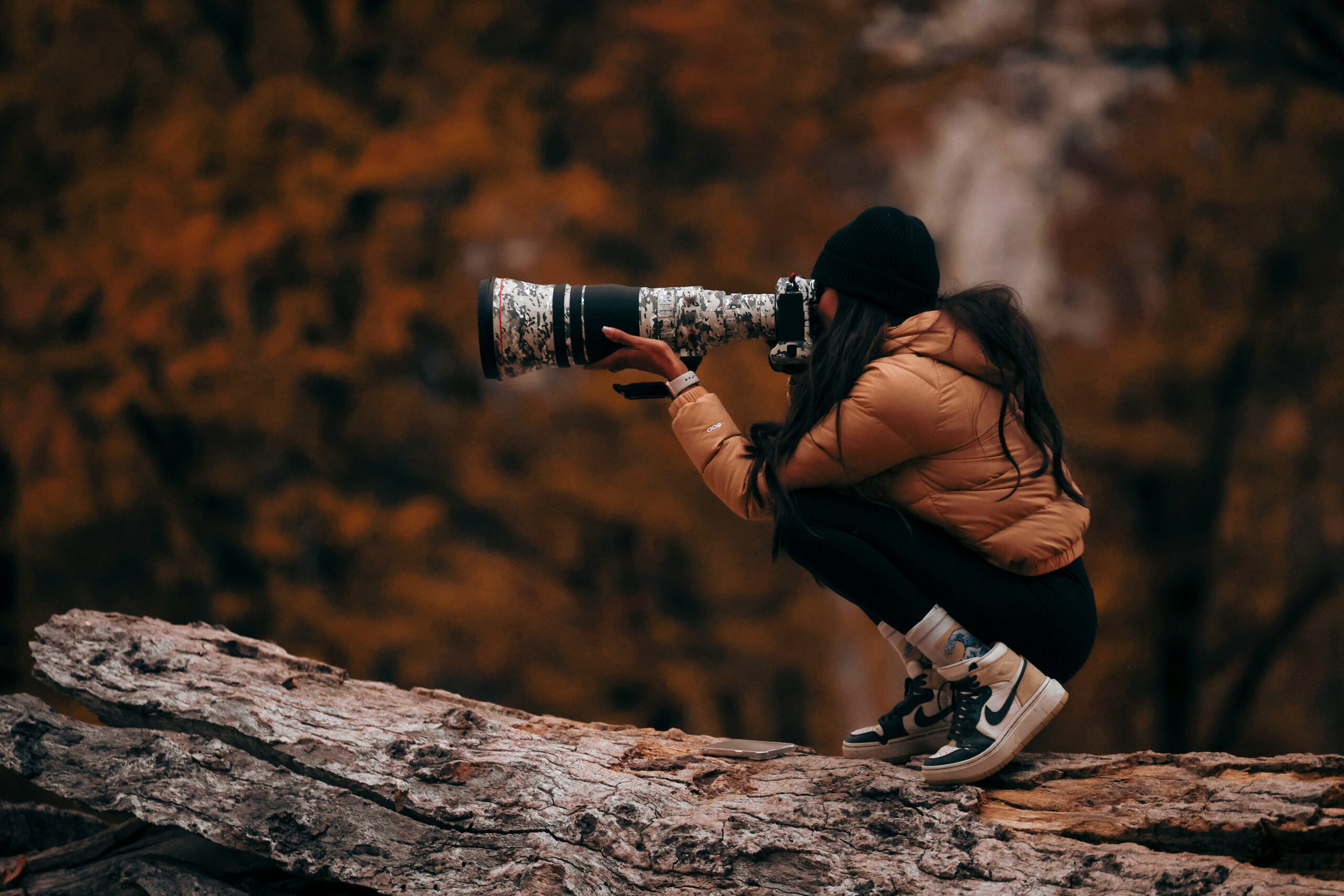
Creative photography allows people to freeze time and turn everyday scenes into meaningful visual stories, helping photographers express emotion, perspective, and imagination in every frame. It is not just about using a camera, but about uniquely seeing the world and translating that vision into images that connect with viewers. As photographers explore different techniques, they begin to understand how light, composition, and timing work together. However, true growth comes from consistent practice and a willingness to experiment with new ideas. Therefore, mastering creative photography becomes a journey of learning, creativity, and self-expression.
Understanding the Foundation of Creative Photography
Creative photography begins with a strong understanding of basic principles that guide every successful image. These include composition, lighting, and focus, which together shape how a photo looks and feels. While beginners often focus only on technical settings, experienced photographers balance both technical skill and artistic vision. As a result, they create images that feel intentional and engaging rather than random. This foundation supports every creative decision made behind the camera.
Moreover, learning the basics helps photographers break rules in a meaningful way. When you understand composition rules, you can bend them to create something unique and interesting. This approach encourages experimentation and the development of personal style. Additionally, strong fundamentals give you confidence when shooting in different environments. Therefore, mastering the basics is the first step toward success in creative photography.
Seeing the World Through a Creative Lens
Creative photography requires a shift in how you observe your surroundings. Instead of looking at objects as they are, you begin to see shapes, colors, and patterns that can form compelling compositions. This mindset helps turn ordinary scenes into powerful images. However, developing this perspective takes time and conscious effort. You need to slow down and truly observe what is around you.
Furthermore, training your eye improves your ability to capture unique moments. You start noticing details that others might ignore, such as reflections, shadows, or textures. These small elements can add depth and interest to your photos. As you practice, your creative vision becomes sharper and more natural. Consequently, your photography begins to stand out with originality and intention.
Mastering Light for Better Visual Impact
Light plays a crucial role in creative photography because it defines mood, tone, and depth. Natural light changes throughout the day, offering different opportunities for creative expression. For example, soft morning light creates gentle shadows, while evening light adds warmth and richness. However, harsh midday light can be challenging and requires careful handling. Learning to adapt to these conditions significantly improves your results.
In addition, photographers can use light creatively to highlight subjects and create contrast. Backlighting can produce silhouettes, while side lighting enhances texture and dimension. Artificial lighting also provides control when natural light is not available. As you experiment with different lighting techniques, your images become more dynamic and expressive. Therefore, mastering light is essential for creating impactful photographs.
Exploring Composition Techniques for Stronger Images
Composition is one of the most important elements in creative photography. It determines how viewers interact with an image and where their attention goes. Techniques such as the rule of thirds, leading lines, and framing techniques help create balanced and engaging photos. However, composition is not just about following rules; it is about guiding the viewer’s eye effectively. This approach adds clarity and purpose to your images.
Additionally, experimenting with composition helps develop your unique style. You can try different angles, perspectives, and layouts to see what works best. Negative space, symmetry, and patterns can also add visual interest. As you refine your composition skills, your photos become more polished and professional. Consequently, strong composition enhances the overall quality of your work.
Capturing Emotion and Story in Every Frame
Creative photography goes beyond technical perfection and focuses on storytelling. A powerful image often evokes emotion and connects with the viewer on a deeper level. Capturing genuine moments helps create this emotional impact. However, this requires patience and awareness to recognize the right moment. Being ready to capture spontaneous expressions is key.
Moreover, storytelling adds meaning to your photography. Each image should communicate something, whether it is joy, sadness, or curiosity. By focusing on emotion, you create photos that people remember. This approach transforms simple images into compelling visual stories. Therefore, emotion and storytelling are essential elements of creative photography.
Using Editing to Enhance Creative Vision
Editing plays a vital role in shaping a photograph’s final look. It allows photographers to adjust colors, contrast, and exposure to match their vision. While editing can improve an image, it should not overpower the original shot. Subtle adjustments often produce the best results. This balance keeps the image natural and appealing.
Furthermore, editing helps create a consistent style across your work. By applying similar tones and adjustments, you build a recognizable visual identity. This consistency is important for personal branding and professional growth. As you refine your editing skills, your images become more cohesive and polished. Consequently, editing becomes a powerful tool in creative photography.
Developing a Unique Photography Style
Every photographer aims to develop a style that reflects their personality and vision. This style evolves through practice and experimentation. Trying different genres, techniques, and subjects helps you discover what resonates with you. However, finding your style requires patience and persistence. It is a gradual process that grows with experience.
In addition, a unique style helps you stand out in a competitive field. It makes your work recognizable and memorable to viewers. Consistency in your approach builds trust and credibility as you continue to refine your style; your confidence increases. Therefore, developing a personal style is a key part of mastering creative photography.