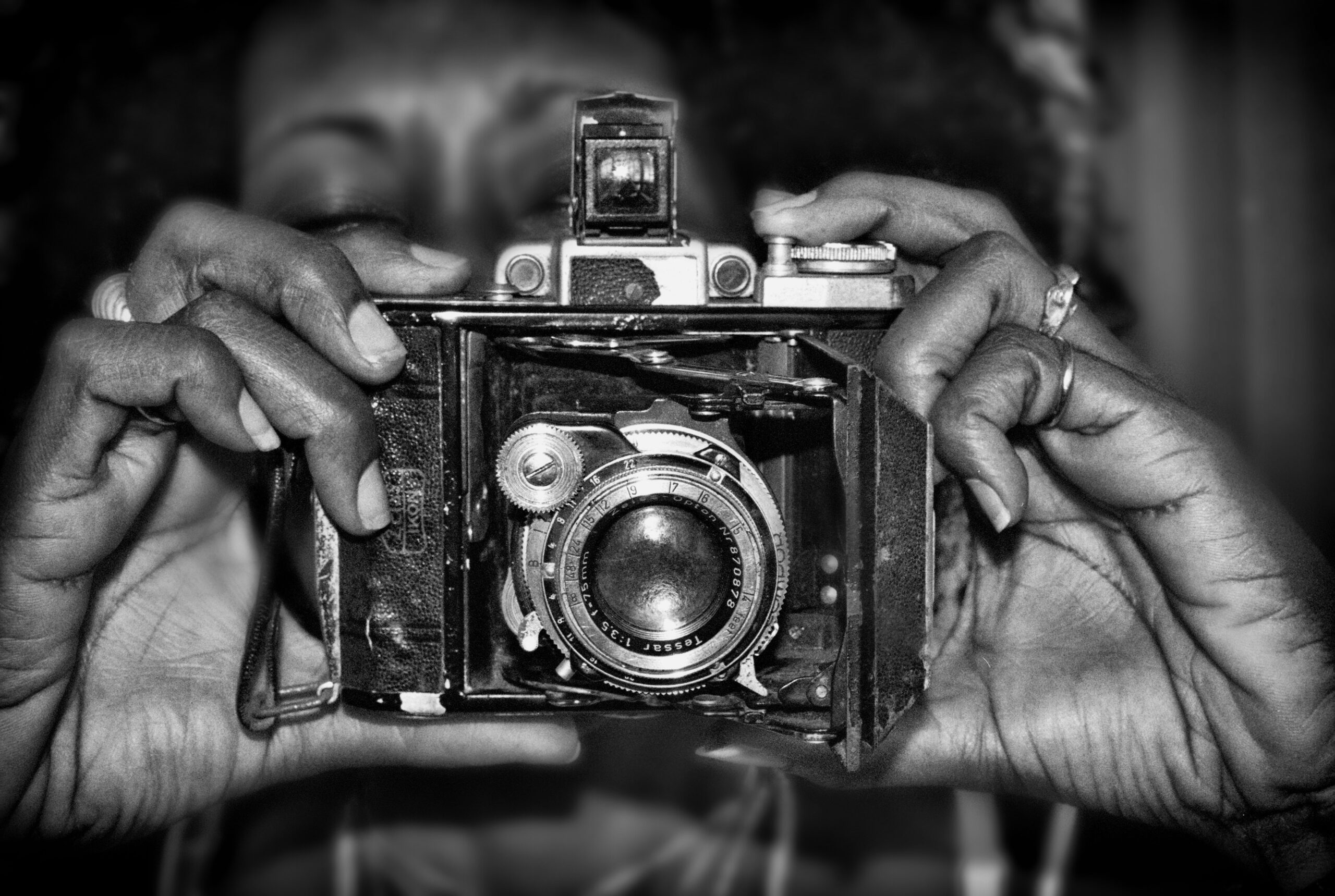
Photography is more than pressing a button or capturing an image. It is an art form that combines emotion, perspective, and storytelling into a single visual experience. Every photograph tells a story that words cannot. Whether it’s the laughter of a child, the stillness of a sunset, or the chaos of a city street, photography transforms moments into timeless memories. It invites viewers to pause, feel, reflect, and connect. Through the lens, photographers reveal not only what they see but also what they feel.
The Vision Behind Every Shot
Every great photograph begins with vision. A photographer does not simply look; they see. They notice light falling across a face, the way colors blend, or how a shadow creates a sense of mystery. This vision guides the creative process from the first glance to the final frame. A true artist anticipates emotion before the shutter clicks. Instead of waiting for the perfect moment to appear, they create it. The process requires patience, awareness, and an ability to connect deeply with the subject.
Vision also defines style. Some photographers prefer dramatic contrasts and sharp edges, while others seek softness and warmth. Each choice reflects the artist’s personal view of the world. When a photographer frames a subject, they are making a statement about what matters most to them. Every angle, focus, and exposure tells a piece of that story.
The Power of Light and Emotion
Light is the soul of photography. It shapes every image and brings it to life. The same subject can appear joyful under golden sunlight or somber under a gray sky. A skilled photographer uses light to communicate emotion. They understand that brightness brings energy, while shadows invite reflection. Light becomes the brush, and the world becomes the canvas.
Emotion, on the other hand, gives photography its depth. A technically perfect image can still feel empty if it lacks feeling. The best photographers capture raw moments of truth—tears, laughter, surprise, or peace. When emotion and light meet, the result is powerful. The viewer doesn’t just see the photo; they feel it. That emotional connection is what makes photography a universal language that resonates with everyone, regardless of their background or culture.
Framing Reality and Imagination
Framing is not just about composition; it’s about perspective. Through framing, a photographer decides what the audience will see and what they will not. A tight frame can bring intimacy, while a wide frame can reveal scale and context. Each frame represents a choice—a deliberate act of storytelling. By focusing on specific details and excluding others, photographers shape how viewers perceive the world around them.
Photography also allows imagination to thrive. The camera not only records reality; it redefines it. Motion blur can turn a dancer into a streak of energy. A slow shutter can make water appear like silk. A shallow depth of field can isolate a single petal from a garden. These creative techniques transform the ordinary into the extraordinary. Through this balance of truth and creativity, photography becomes both a form of documentation and an art form.
The Connection Between Photographer and Subject
The relationship between photographer and subject determines the authenticity of the image. In portrait photography, connection builds trust, and trust allows vulnerability. A subject who feels seen and understood reveals emotions that cannot be staged. The photographer’s empathy becomes just as important as their technical skill.
In nature photography, that connection extends to the environment. A patient observer waits for the perfect alignment of light, wind, and movement. In street photography, connection happens in fleeting seconds—a glance, a shared moment, or an unspoken story. Each interaction influences the outcome. Every photograph carries traces of that connection, capturing not only the subject but also the relationship between artist and world.
The Dance of Technique and Creativity
While creativity fuels photography, technique refines it. Understanding exposure, focus, and timing allows a photographer to express their vision clearly. However, technique alone does not make art. It is the harmony between knowledge and intuition that creates powerful imagery. A photographer must know their tools so well that they can forget them when inspiration strikes.
Each click of the shutter becomes a decision made in the moment. Should the light be softer or sharper? Should motion be frozen or blurred? These questions occur in seconds, yet they profoundly shape the final image. As the technical and emotional sides merge, photography transforms into an elegant dance between control and spontaneity.
Storytelling Through the Lens
Every photograph carries a story. Sometimes the story is obvious—a couple’s embrace, a child’s first steps, or a mountain bathed in morning light. Other times, it is hidden beneath layers of mood and symbolism. Photographers tell stories not with words but with texture, tone, and timing. The background, lighting, and subject positioning all contribute to narrative depth.
Storytelling in photography requires intention. A photographer must ask: What do I want viewers to feel? What truth am I revealing? By answering these questions, the artist moves beyond taking pictures and begins creating meaning. The photograph becomes more than a record; it becomes a message that endures.
The Evolution of Photography in the Modern World
Today, photography evolves faster than ever. Digital technology, smartphones, and social media have transformed how people capture and share images. Yet, the heart of photography remains unchanged—the desire to capture and freeze emotion in time. Modern photographers utilize tools that expand creative boundaries, from drone shots of vast landscapes to close-up macro details that are invisible to the naked eye.
Despite these advancements, the challenge remains the same: how to create images that speak. Technology can make capturing easy, but meaning still depends on human vision. A great photograph will always be more than pixels and filters; it will be a reflection of human experience and emotion.
The Lasting Power of an Image
Photography preserves what time would otherwise erase. A single image can outlive generations, carrying stories and emotions forward. It allows us to revisit places, faces, and moments long gone. Through photography, we remember who we were, who we loved, and what we valued. It reminds us of our shared humanity.
Each photograph stands as a quiet witness to life’s fleeting beauty. When captured with heart and intention, it becomes more than an image—it becomes a work of art. Photography invites us to look more closely, to see more deeply, and to feel more fully. Through the lens, we not only observe the world; we also gain a deeper understanding of it.